
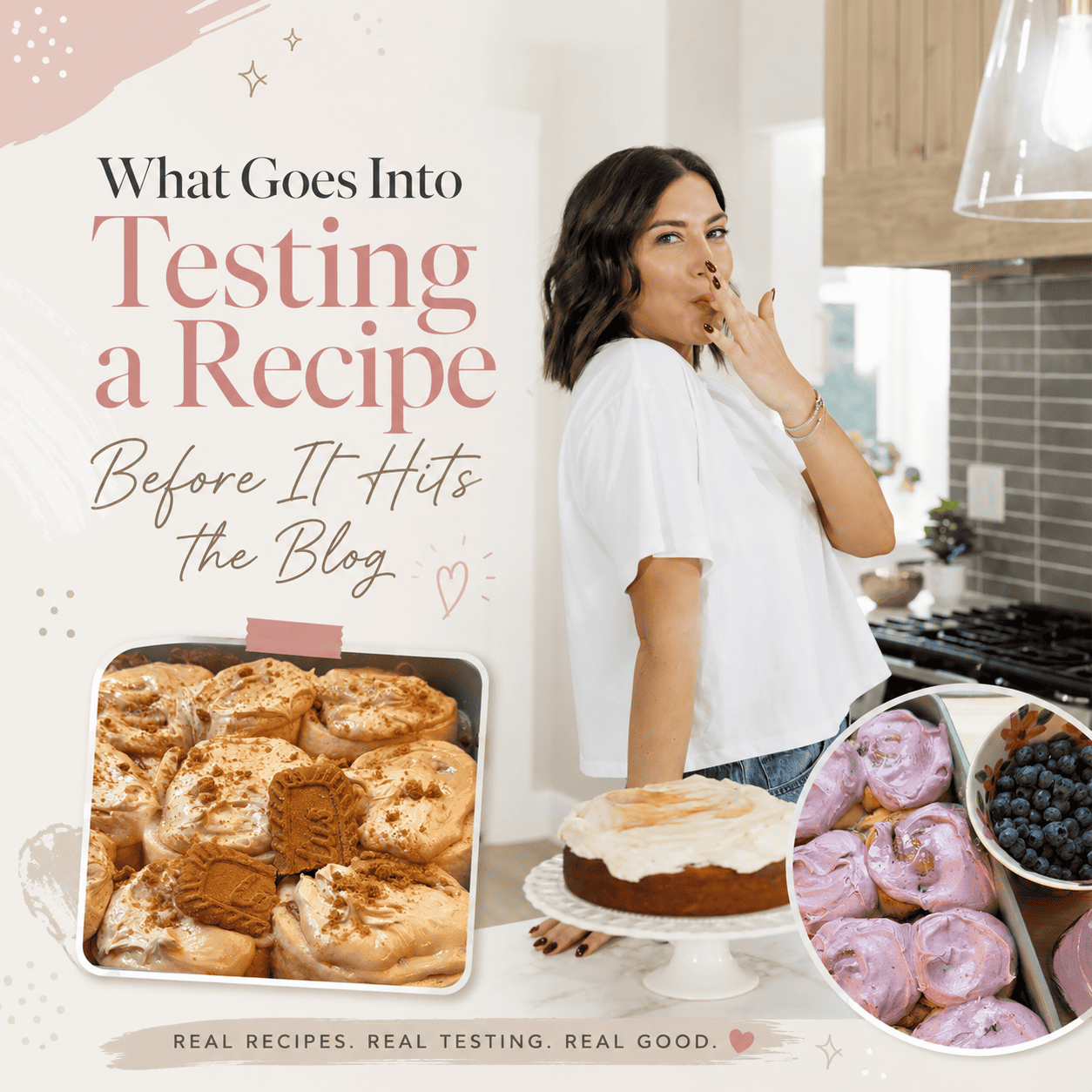

Before a recipe ever makes it to the blog, there is a lot that happens behind the scenes.
By the time you see the finished post, the pretty photos, the step-by-step instructions, and the final recipe card, that recipe has usually been tested, tweaked, tasted, photographed, rewritten, and sometimes fully reworked more than once.
Recipe development is one of my favorite parts of this job, but it is also one of the most chaotic. It is part science, part creativity, part instinct, and part cleaning up a kitchen that looks like a tornado went through it.
Some recipes come together quickly. Others take multiple rounds before they feel right. And honestly, some never make it to the blog at all.
So today I wanted to walk through what actually goes into testing a recipe before it hits the blog.
It Usually Starts With an Idea
Every recipe starts with some kind of idea.
Sometimes it comes from a craving. Sometimes it comes from a seasonal ingredient. Sometimes it comes from a flavor combination I cannot stop thinking about. And sometimes it comes from wanting to create a new variation of something I already love.
That is how so many of my recipe series happen.
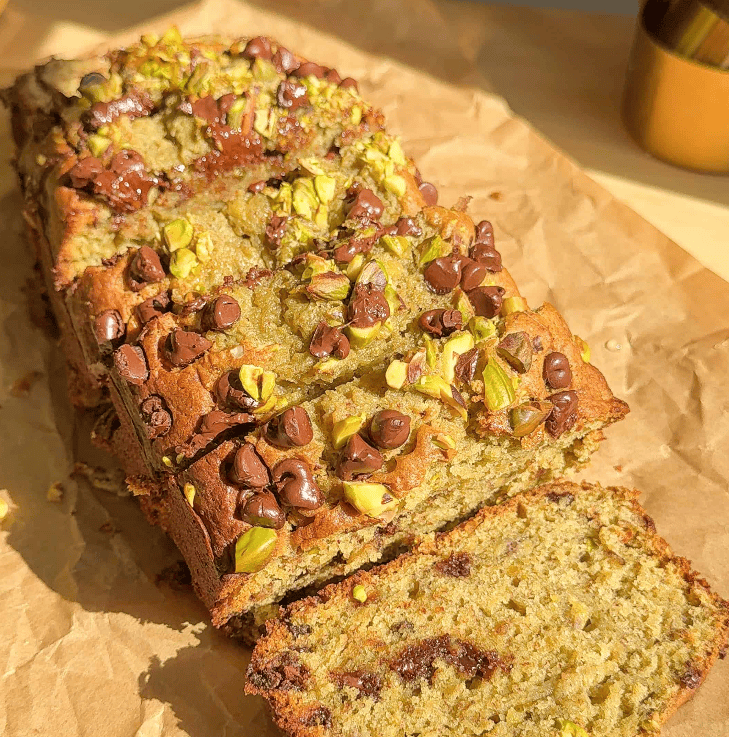
One banana bread recipe can turn into Brown Butter Chocolate Chip Banana Bread, Brown Butter Chocolate Chip Crumble Banana Bread, Brown Butter Pistachio Chocolate Chip Banana Bread, and Brown Butter Oreo Banana Bread.
One cinnamon roll idea can turn into Cinnamon Rolls, Brown Butter Cinnamon Rolls, Blueberry Cinnamon Rolls, and Biscoff Cinnamon Rolls.
Once I have the idea, I start thinking about what the recipe should actually feel like. Is it cozy? Bakery-style? Quick and easy? More indulgent? Seasonal? Nostalgic? Something fun for brunch?
That direction helps me decide what the final recipe needs to become.
Then I Think About the Flavor
Flavor is always the first real test.
Before I worry about how the recipe looks on camera or how cute the final photos will be, I need to know if the flavor makes sense.
I ask myself:
Does the main flavor actually come through?
Is it too sweet?
Does it need more salt?
Does it need more vanilla, cinnamon, lemon, espresso, chocolate, or spice?
Is there enough contrast?
Would I want another bite?
That last question is honestly huge.
If I take one bite and immediately want another, that is a good sign. If I taste it and feel like something is missing, I know the recipe is not done yet.
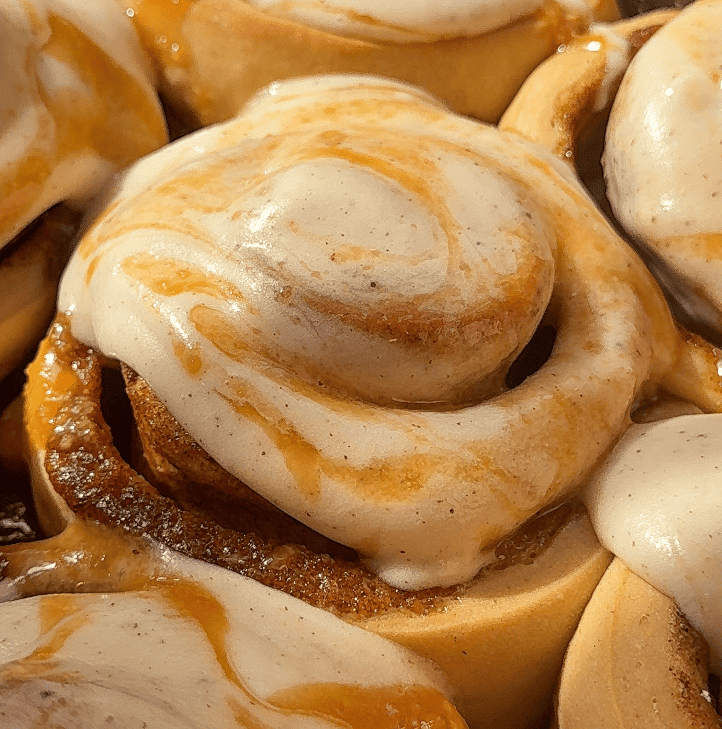
This is especially important for recipes with strong flavor expectations, like Salted Caramel Espresso Cinnamon Rolls, Dark Chocolate Espresso Banana Bread, or Blueberry Lemon Cupcakes. The flavor has to match the name.
If I call something blueberry lemon, you should taste blueberry and lemon. If I call something brown butter, that brown butter flavor should actually matter.
Texture Is Just as Important as Flavor
Texture can make or break a recipe.
A muffin can have great flavor, but if it is dry or dense, it is not ready. A cookie can taste amazing, but if it spreads too much or turns cakey when it should be chewy, it needs more work. A cinnamon roll can look beautiful, but if it is not fluffy and soft, it is not blog-worthy yet.
Texture is usually where most of the testing happens.

For cookies like Brown Butter Chocolate Chip Cookies, No Chill Chocolate Chip Cookies, or Copycat Levain Bakery Chocolate Chip Cookies, I am paying attention to spread, chew, thickness, edges, centers, and chocolate distribution.
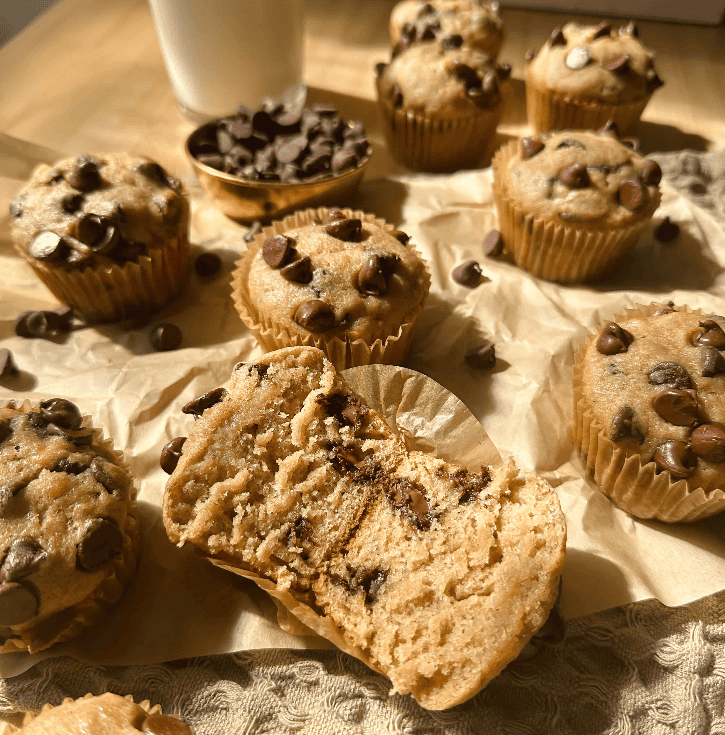
For muffins like Bakery Style Blueberry Muffins, Banana Chocolate Chip Muffins, or Carrot Cake Muffins, I want them soft, moist, fluffy, and not heavy.
For cinnamon rolls, I want the dough to feel plush and bakery-soft. That is the whole point.
A recipe is not just about tasting good. It has to feel good to eat too.
I Test the Bake Time Carefully
Bake time is one of those things that sounds simple but matters so much.
A few extra minutes can take a cookie from gooey to dry. A loaf cake can look done on top but still be underbaked in the center. Muffins can go from fluffy to overbaked faster than you think.
When I test a recipe, I pay really close attention to the visual cues.
For banana bread, I am looking for a set center, golden edges, and a toothpick that comes out with moist crumbs. For cookies, I usually want set edges with slightly soft centers. For cakes and muffins, I want them baked through but still tender.

Recipes like Blueberry Crumble Loaf, Carrot Loaf Cake, and Better Than Starbucks Iced Lemon Loaf all need the right bake time to stay moist and sliceable.
That is why I try to include cues in my recipes, not just times. Ovens vary, pans vary, and every kitchen is a little different.
I Decide Whether the Recipe Is Actually Worth the Effort
This is one of the biggest questions I ask during testing.
Is the recipe worth it?
Some recipes are naturally more involved. Yeasted doughs, stuffed cookies, cheesecakes, layered desserts, and anything with multiple components will always take more effort.
That is okay, but the final result has to justify it.

A recipe like Blueberry Custard Crumble Buns is more involved than a simple muffin, but the final result feels special enough to make the extra steps worth it. Same with Tiramisu Cinnamon Rolls or Cheesecake Stuffed Chocolate Chip Cookies.
But if a recipe takes a lot of effort and only tastes okay, I either simplify it, retest it, or let it go.
I never want someone to spend their time, money, and ingredients on something that does not feel worth it at the end.
I Think About Whether Someone Else Can Make It Successfully
This is so important.
A recipe cannot just work in my kitchen. It needs to work in your kitchen too.
That means I have to think about clarity, measurements, timing, ingredients, substitutions, and whether the steps make sense for someone who was not there during testing.
Sometimes I will make a note while testing like:
This dough feels sticky but do not add too much flour.
This batter looks thin at first but thickens after resting.
This frosting needs the cake to cool completely.
This recipe needs ripe bananas, not just yellow bananas.
This dough needs enough rise time or the rolls will not be fluffy.
Those little notes often become the details that make the final blog post actually helpful.
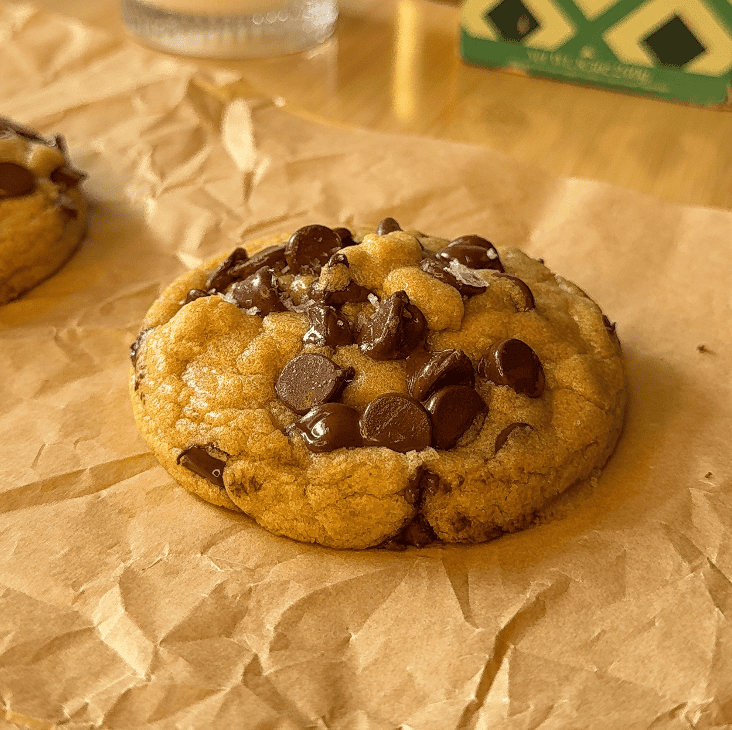
A recipe like Cinnamon Rolls needs more guidance than something like Single Serve Chocolate Chip Cookie, but both still need clear instructions.
I Take Notes While I Test
I try to take notes during the process because it is so easy to forget tiny details later.
Sometimes the note is something simple like “needs more salt” or “bake two minutes less.” Other times it is more detailed, like adjusting the flour, changing the sugar ratio, adding more moisture, chilling the dough longer, or changing how the recipe is assembled.
Those notes are what help me improve the next test.
Recipe testing is not just baking and hoping. It is paying attention to what happened and why.
If cookies spread too much, I ask why. Was the butter too warm? Not enough flour? Too much sugar? Did the dough need chilling?
If a loaf sinks, I ask if it was underbaked, overmixed, too wet, or if the leavening was off.
If a cinnamon roll is not fluffy enough, I look at the dough, the kneading, the proofing, and the bake.
Every test teaches me something.
Sometimes I Test More Than Once
A lot of recipes do not come together perfectly on the first try.
That is normal.
Sometimes the first test is close, but not quite there. Sometimes it is a total flop. Sometimes the flavor is amazing, but the texture needs work. Sometimes it tastes great but looks terrible on camera. Sometimes it photographs beautifully but needs more flavor.
When that happens, I test again.
A recipe may need one small adjustment or a full rewrite. It depends on what went wrong.
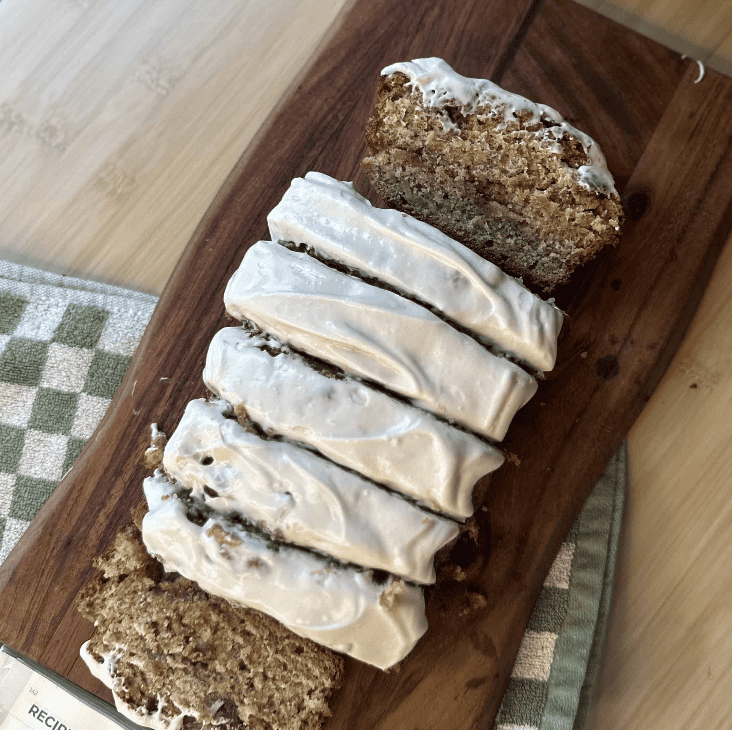
This is especially true for recipes with multiple elements, like Blueberry Crumble Cheesecake, Chocolate Chip Cookie Cheesecake, or Brown Butter Cinnamon Roll Banana Bread.
The more components a recipe has, the more chances there are for something to need adjusting.
I Make Sure the Recipe Looks Good Enough to Share
Taste matters most, but visuals matter too.
As a recipe creator, I need the finished recipe to look appealing in photos and video. That does not mean it has to be perfect, but it does need to look like something people want to make.
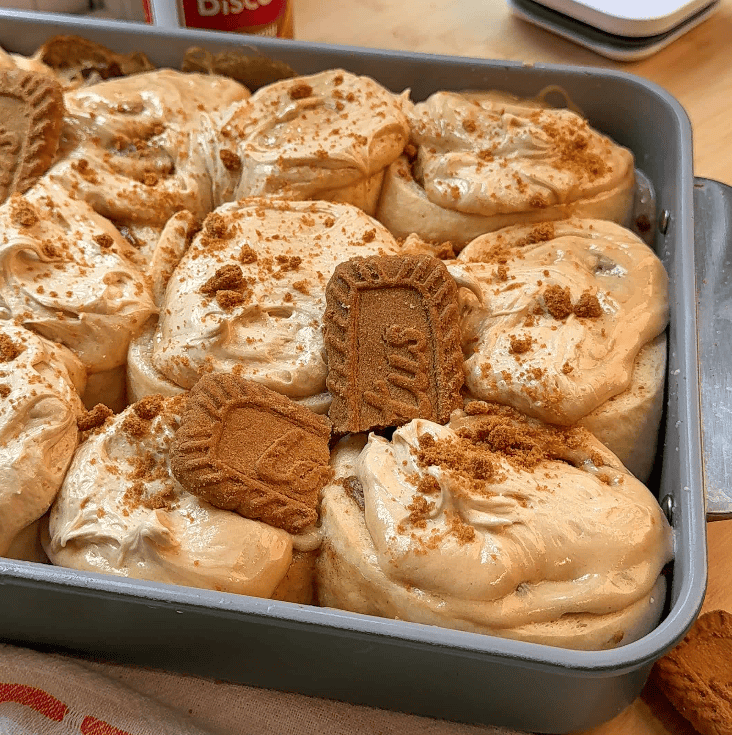
Some recipes have built-in visual moments. Pouring icing over Strawberry Cinnamon Rolls. Slicing into Blueberry Pie Bars. Pulling apart Biscoff Cinnamon Rolls. Cutting into Brown Butter Chocolate Chip Banana Bread.
Other recipes need a little more styling to show what makes them special.
But the goal is always the same. The photo should make you understand why the recipe is worth making.
I Write the Blog Post Around the Questions People Might Have
Once the recipe is tested and photographed, the blog post has to support it.
I think about what someone might wonder before making it.
Can I make it ahead?
Can I use frozen blueberries?
How ripe should the bananas be?
Do I need to chill the dough?
How do I know when it is done?
Can I make this without a mixer?
How should I store leftovers?
Those answers are part of what makes a blog post useful, especially for recipes that require more technique.
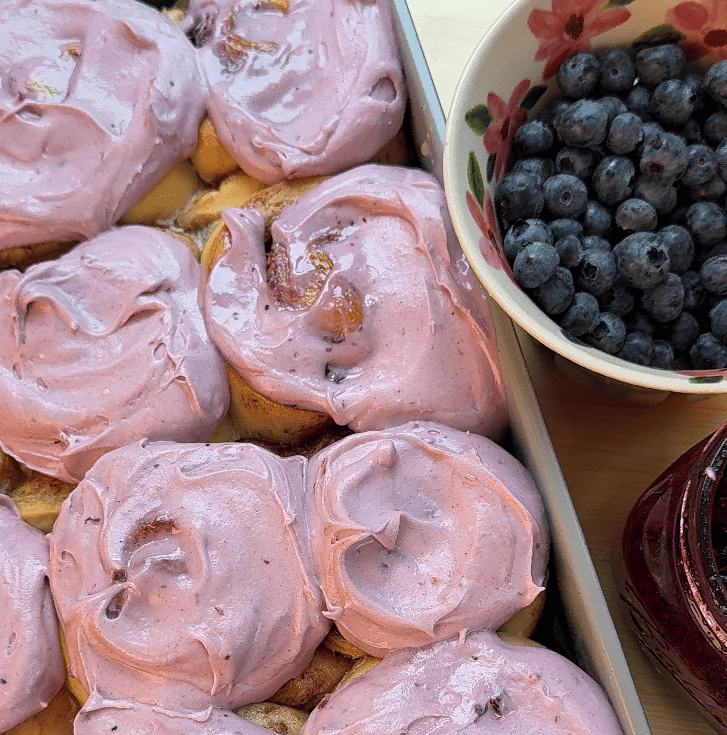
For example, a recipe like Blueberry Cinnamon Rolls needs different tips than Bakery Style Blueberry Muffins. A cookie recipe needs different notes than a loaf cake.
The recipe card gives the steps, but the blog post gives the confidence.
I Share the Food and Get Real Reactions
One of the best parts of this job is sharing what I bake.
I give recipes to family, friends, neighbors, delivery drivers, and basically anyone who wants a treat. Baking is my love language, so the food is absolutely not going to waste if I can help it.
Real reactions matter too.
If people immediately ask what something is, go back for seconds, or ask when the recipe is going on the blog, that tells me a lot.
Some recipes just have that reaction. People get excited about them.
That is always a good sign.
Not Every Recipe Makes It
This is the honest part.
Not every recipe gets published.
Some recipes are good but not great. Some feel too similar to something I already have. Some need more testing than I have time for that week. Some are cute ideas but not actually worth turning into a full post.
That is part of being a recipe developer.
I would rather hold a recipe back than publish something I am not proud of. The goal is not just to post constantly. The goal is to share recipes that are actually worth making.
Final Thoughts
Recipe testing is so much more than just baking something once and putting it online.
It is testing flavor, texture, timing, instructions, visuals, and whether the whole recipe actually feels worth sharing. It is taking notes, making adjustments, cleaning up a huge mess, trying again, and being honest when something is not ready yet.
Some recipes are easy wins. Some take multiple rounds. Some never make it to the blog.
But when a recipe finally works, when the texture is right, the flavor is there, the photos look good, and I know someone else can make it successfully, that is when it feels ready.
Because if I am going to publish a recipe, I want it to be more than just good enough.
I want it to be something you are excited to bake too.




Leave a Reply