


Few baking disappointments compare to pulling a pan of cinnamon rolls out of the oven and realizing they are not the soft, pillowy, bakery-style rolls you were dreaming about.
Maybe they turned out dense. Maybe they were dry around the edges. Maybe the centers looked promising, but the texture still felt heavy instead of light and fluffy. It happens, and usually it comes down to a few very common mistakes.
The good news is that fluffy cinnamon rolls are absolutely possible at home. Once you understand what affects the dough, proofing, and bake, the whole process starts to feel much less intimidating.
Whether you are making classic Cinnamon Rolls, rich Brown Butter Cinnamon Rolls, or a fun twist like Banana Bread Cinnamon Rolls, these tips will help you get that soft, fluffy, bakery-worthy texture every time.
1. Your yeast might not be active
If your cinnamon rolls are not rising properly, the first thing to check is the yeast.
Yeast is what gives cinnamon roll dough that airy, fluffy structure. If it is expired, overheated, or not activated correctly, the dough will struggle to rise and the final rolls can turn out dense and heavy.
How to avoid it
Make sure your yeast is fresh and not expired. If the recipe calls for warm milk, it should feel warm but not hot. Too much heat can kill the yeast before it ever gets a chance to work.
If you are ever unsure, let the yeast mixture sit for a few minutes and look for some foam or bubbling before moving on.
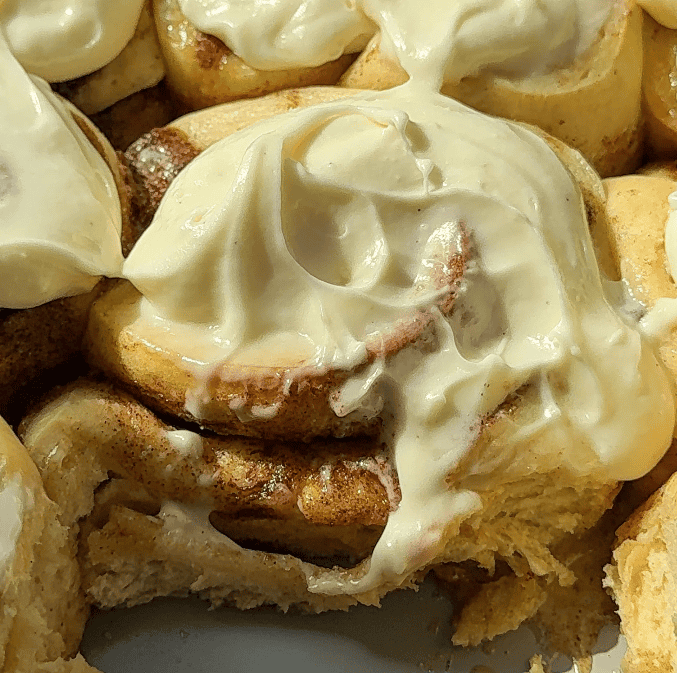
This matters in every cinnamon roll recipe, whether you are baking classic Cinnamon Rolls or something extra cozy like Pumpkin Cinnamon Rolls.
2. You added too much flour
This is one of the biggest reasons cinnamon rolls turn out dense instead of fluffy.
It is very easy to add too much flour without realizing it, especially if you scoop directly from the bag. Extra flour makes the dough stiffer, drier, and less likely to bake up soft.
How to avoid it
Measure flour carefully. Spoon it into the measuring cup and level it off, or weigh it if the recipe provides grams. The dough should usually feel soft and slightly tacky, not dry or tough.
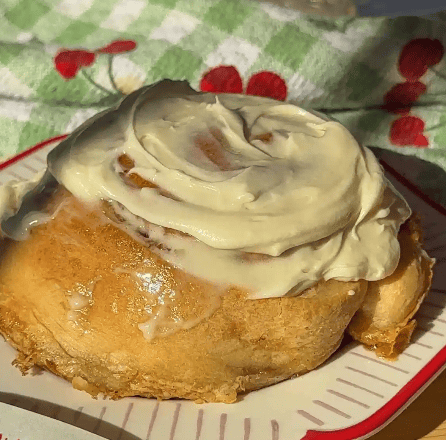
A softer dough is what helps give you that tender texture you want in recipes like Mini Cinnamon Rolls and Single Serve Cinnamon Roll.
3. You did not knead the dough enough
Kneading is what helps develop gluten, which gives the dough structure while still allowing it to rise beautifully.
If the dough is under-kneaded, it may not have enough strength to trap air properly. That can lead to rolls that feel flat, tight, or uneven in texture.
How to avoid it
Knead the dough until it feels smooth, elastic, and slightly springy. It should not look shaggy or break apart easily.

Properly kneaded dough gives you those soft, pull-apart layers that make recipes like Biscoff Cinnamon Rolls and Salted Caramel Espresso Cinnamon Rolls feel bakery-level good.
4. You overworked the dough too much
This one is a little less common, but it does happen. If you keep adding flour and kneading far beyond what the dough needs, the final rolls can end up tough instead of soft.
How to avoid it
Once the dough becomes smooth and elastic, stop. You want enough gluten development for structure, but not so much that the dough becomes firm and resistant.
Soft dough is the goal, not overly stiff dough.
5. Your dough did not rise long enough
Underproofed cinnamon rolls are often the reason they bake up dense and compact.
The dough needs enough time to rise so the yeast can create air pockets throughout. If you rush this step, the rolls may look okay going into the oven, but they will not have that fluffy interior once baked.
How to avoid it
Let the dough rise until it looks noticeably puffed and expanded, not just slightly bigger. The same goes for the second rise after shaping the rolls.

This is especially important for rich or heavily filled recipes like Oreo Cinnamon Rolls, Tiramisu Cinnamon Rolls, and Apple Pie Cinnamon Rolls.
6. Or, your dough rose too long
Yes, it can go the other way too.
If cinnamon roll dough overproofs, it can become fragile and deflate easily. That can leave you with rolls that bake up oddly flat or a little dry.
How to avoid it
Look for visual cues instead of relying only on the clock. The dough should be puffy and airy, but not collapsing or overly loose.
When gently pressed, it should slowly spring back instead of sinking completely.
7. Your kitchen may be too cold
Dough rises best in a warm environment. If your kitchen is chilly, the yeast will move more slowly and the dough may take much longer to rise, or barely rise at all.
How to avoid it
Place the dough somewhere warm and draft-free. You do not need anything fancy. Even a turned-off oven with the light on can help create a more comfortable proofing environment.

This can make a big difference when making softer enriched dough recipes like Birthday Cake Cinnamon Rolls or Strawberry Cinnamon Rolls.
8. You rolled the dough too tightly
Tightly rolled cinnamon rolls may look neat, but they can actually bake up more compact and less airy.
When the spiral is wound too tightly, the layers do not have as much room to expand while baking.
How to avoid it
Roll the dough snugly but gently. You want the shape to hold, but you do not want to compress all the air out of the dough.
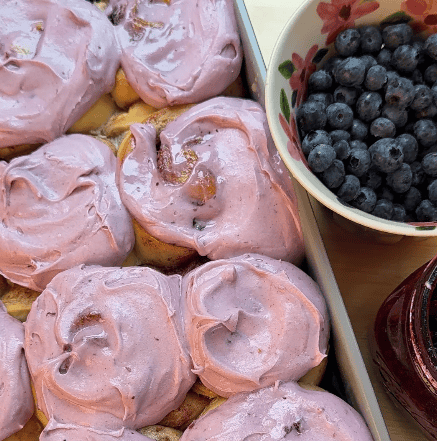
That soft layered texture is part of what makes recipes like Blueberry Cinnamon Rolls and Peach Cobbler Cinnamon Rolls so good.
9. You overbaked them
Sometimes cinnamon rolls are not actually dense from the dough. They are just dry from spending too long in the oven.
Overbaked rolls lose moisture quickly, and once that happens, even a generous layer of frosting cannot fully bring back that bakery-soft texture.
How to avoid it
Bake until the rolls are set and lightly golden, but not deeply browned or dry-looking. The centers should be baked through, but still soft.

This matters a lot for smaller or thinner rolls like Mini Cinnamon Rolls and for more dramatic formats like Giant Cinnamon Roll Cake.
10. You did not use enough moisture-rich ingredients
Soft cinnamon rolls usually come from enriched dough, meaning dough made with ingredients like milk, butter, and eggs. These ingredients help create a softer, richer texture.
If the dough is too lean or dry, it may never have that tender bakery softness no matter how carefully you proof it.
How to avoid it
Use a well-balanced recipe and resist the urge to cut back too much on fat or liquid unless the recipe is specifically designed for it.
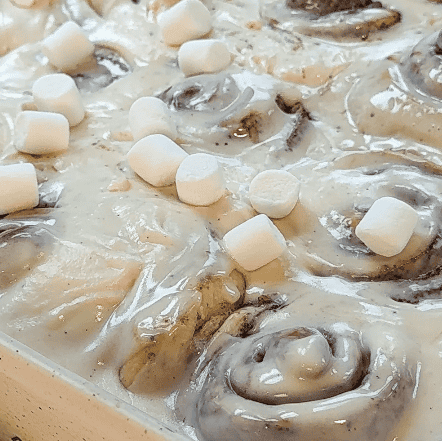
That rich dough base is part of what makes recipes like Red Velvet Cinnamon Rolls, Hot Cocoa Cinnamon Rolls, and Sugar Cookie Cinnamon Rolls feel so soft and indulgent.
11. You expected every flavor variation to behave the same
Not every cinnamon roll recipe bakes exactly the same way.
Fruit fillings, cookie butter, pumpkin, espresso, chocolate, and other mix-ins can all affect moisture, proofing, and bake time. A fruit-filled roll may behave differently than a classic cinnamon sugar one.
How to avoid it
Pay attention to the cues in each specific recipe instead of assuming they all bake identically. Richer or heavier fillings may need a little more attention during proofing and baking.
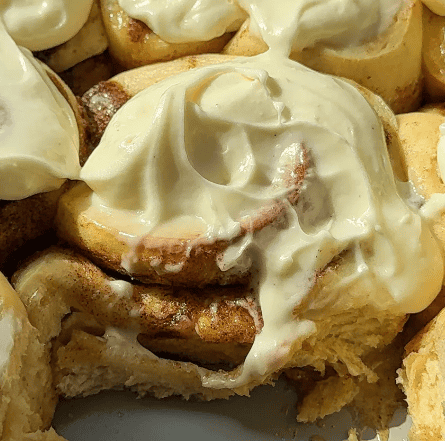
For example, Blueberry Cinnamon Rolls and Apple Pie Cinnamon Rolls have different moisture levels than classic Cinnamon Rolls.
12. You skipped the little bakery tricks
Sometimes it is not one major mistake. It is just missing a few tiny details that make homemade cinnamon rolls feel truly bakery-soft.
How to avoid it
A few things help a lot:
Let the dough rise fully
Measure flour carefully
Use warm, not hot, liquid
Do not overbake
Frost while the rolls are still slightly warm so everything stays extra soft and gooey
Those little details are what help take a batch from good to amazing.
How to Make Cinnamon Rolls Extra Soft Every Time
If fluffy cinnamon rolls are the goal, these are the habits worth keeping every time you bake:
Use fresh yeast
Keep the dough soft
Proof in a warm space
Do not rush either rise
Bake just until done
Frost while warm
That combination is what gives you that dreamy, tender, pull-apart texture people always associate with bakery cinnamon rolls.
Cinnamon Roll Recipes to Practice With
Once you know what makes cinnamon rolls fluffy, baking them becomes way more fun. These are some especially good recipes to practice with depending on what kind of flavor you are craving:
1. Cinnamon Rolls
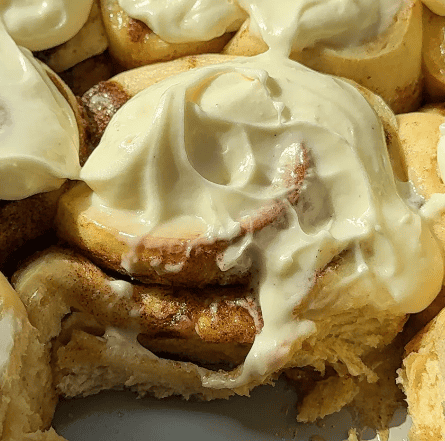
The best place to start if you want to master the classic.
2. Brown Butter Cinnamon Rolls
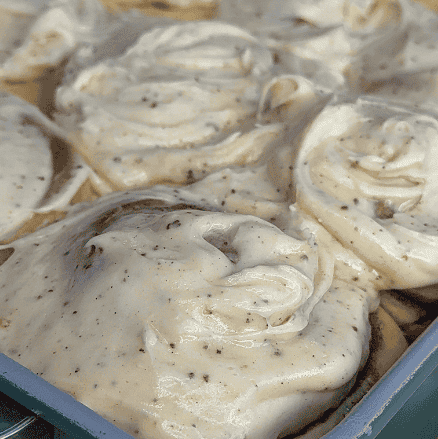
Perfect for rich, nutty, bakery-style flavor.
3. Banana Bread Cinnamon Rolls

A cozy twist that still teaches you all the same dough basics.
4. Blueberry Cinnamon Rolls
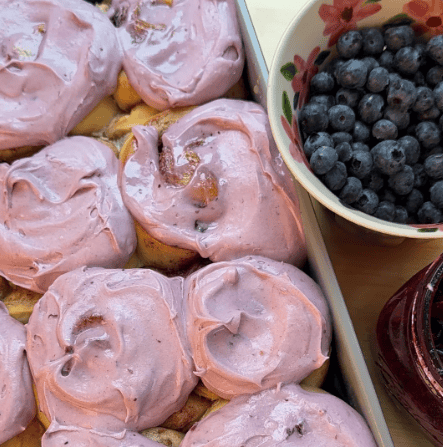
A great option if you love fruity rolls with soft centers.
5. Biscoff Cinnamon Rolls

Rich, sweet, and so good if you want something a little extra.
6. Pumpkin Cinnamon Rolls

A cozy seasonal version that still gives you that fluffy texture when done right.
Final Thoughts
If your cinnamon rolls have been turning out dense, dry, or just not quite bakery-soft, do not be discouraged. Usually it is not about being bad at baking. It is just a matter of understanding the dough a little better.
Once you start paying attention to yeast, flour, kneading, proofing, and bake time, everything gets easier. And the payoff is very worth it, because there is nothing like pulling apart a warm cinnamon roll that is soft, fluffy, and loaded with icing.
Bakery-soft cinnamon rolls are absolutely possible at home. You are probably just a few small tweaks away from your best batch yet.




Leave a Reply