


Chocolate chip cookies are one of those desserts that everyone seems to love, but not everyone wants the same kind.
Some people want a thick, soft, bakery-style cookie with gooey centers and chewy edges. Other people want a cookie with crisp golden edges, a slightly thinner center, and that perfect snap when you bite into it. And honestly, both are correct.
The difference between chewy and crispy chocolate chip cookies is not random. It usually comes down to a few very specific baking variables like butter temperature, sugar ratio, flour amount, chill time, bake time, and even the size of the cookie dough ball.
If you have ever wondered why one batch turned out soft and chewy while another spread thin and baked up crisp, this is exactly what is happening.
Whether you are making classic Brown Butter Chocolate Chip Cookies, extra rich Copycat Levain Bakery Chocolate Chip Cookies, or a quick batch of No Chill Chocolate Chip Cookies, understanding these differences makes it so much easier to get the exact cookie texture you want.
What Makes a Chocolate Chip Cookie Chewy
Chewy cookies usually have a soft center, a slightly dense bite, and enough moisture to stay tender even after they cool.
That texture usually comes from a combination of a few things working together.
More brown sugar
Brown sugar has molasses in it, which adds moisture and softness. Cookies with more brown sugar usually turn out chewier and softer than cookies made with a higher ratio of white sugar.
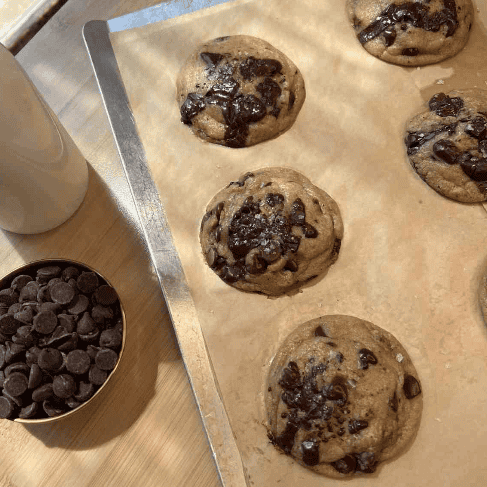
That is one reason bakery-style recipes like Brown Butter Chocolate Chip Cookies and Copycat Levain Bakery Chocolate Chip Cookies tend to have that rich, chewy texture people love.
More moisture in the dough
Chewy cookies usually come from dough that holds onto moisture well. Brown butter can help with flavor, but the balance of eggs, sugar, and flour also matters a lot.
If the dough is rich and thick, the cookie is more likely to stay soft in the center.
Slightly underbaking
One of the easiest ways to get chewy cookies is to take them out when the centers still look just a little underdone. They continue setting as they cool on the baking sheet.
That is what gives you that soft middle instead of a fully crisp texture all the way through.
Thicker dough balls
Bigger or taller dough scoops usually bake up thicker and softer. When a cookie has more height, the center stays tender longer and does not dry out as quickly in the oven.
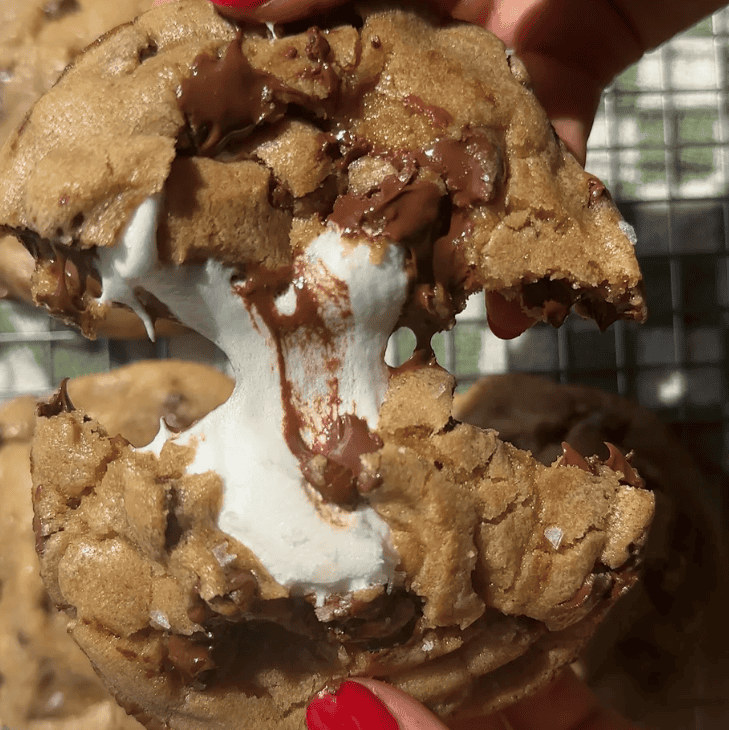
This is especially true for recipes like Smores Stuffed Chocolate Chip Cookies and Cheesecake Stuffed Chocolate Chip Cookies, where the cookie stays soft and rich because there is so much happening inside.
What Makes a Chocolate Chip Cookie Crispy
Crispy cookies usually spread more, bake longer, and have less moisture left in the final cookie.
If you love thin, golden cookies with crisp edges, these are the factors that usually create that texture.
More white sugar
Granulated sugar encourages spreading and crispness more than brown sugar does. So when a cookie recipe leans more heavily on white sugar, the result is often thinner and crisper.
Less moisture overall
If a dough has less moisture, the finished cookie will usually bake up drier and more crisp. Even small changes in flour, butter, or sugar balance can affect this.
Longer bake time
The longer a cookie stays in the oven, the more moisture bakes off. That means the cookie becomes firmer and crispier as it cools.
If you want crispy edges, bake until the cookies are more deeply golden instead of pulling them early.
Flatter dough
Flatter dough balls spread more easily, which creates thinner cookies. Thin cookies tend to crisp up faster and more evenly than thick bakery-style ones.
The Biggest Ingredients That Change Cookie Texture
When people talk about chewy versus crispy chocolate chip cookies, these are usually the biggest things making the difference.
Butter
Melted butter usually creates more spread and often a chewier center if balanced correctly, while softened butter can create more structure depending on the recipe. Brown butter adds incredible flavor, but because some water cooks off during browning, it can also slightly affect texture if the recipe is not built around it.
That is why a recipe like Brown Butter Chocolate Chip Cookies tastes so rich and cozy. The flavor is deeper and more caramel-like, but the dough still has to be balanced well to hold onto that soft texture.
Sugar ratio
This is one of the biggest differences.
More brown sugar usually means softer and chewier. More white sugar usually means thinner and crispier.
Flour amount
More flour gives cookies more structure and can help them stay thicker. Less flour often means more spread.
That is part of why thick bakery cookies and thinner homemade cookies can feel so different even when they use many of the same ingredients.
Egg ratio
Eggs add richness and moisture. An extra yolk can make cookies softer and chewier because it adds fat without as much liquid as a full extra egg.
Why Chill Time Matters So Much
Chilling cookie dough is one of the easiest ways to affect final texture.
When dough chills, the flour has more time to hydrate and the butter firms up. This usually means less spread, thicker cookies, and deeper flavor.
That is why chilled dough often produces more bakery-style cookies, while recipes designed to be baked right away can spread more and turn out thinner.

For example, No Chill Chocolate Chip Cookies are perfect when you want cookies fast, but they may bake a little differently than a dough that rests first. That is not a bad thing. It just changes the final texture.
If your dream cookie is thick and chewy, chill time is usually your friend.
Why Bakery Cookies Feel Different From Homemade Ones
Bakery-style cookies are often:
- larger
- thicker
- slightly underbaked in the center
- packed with mix-ins
- chilled before baking
That combination is what creates that dramatic, gooey, chewy texture people associate with bakery cookies.
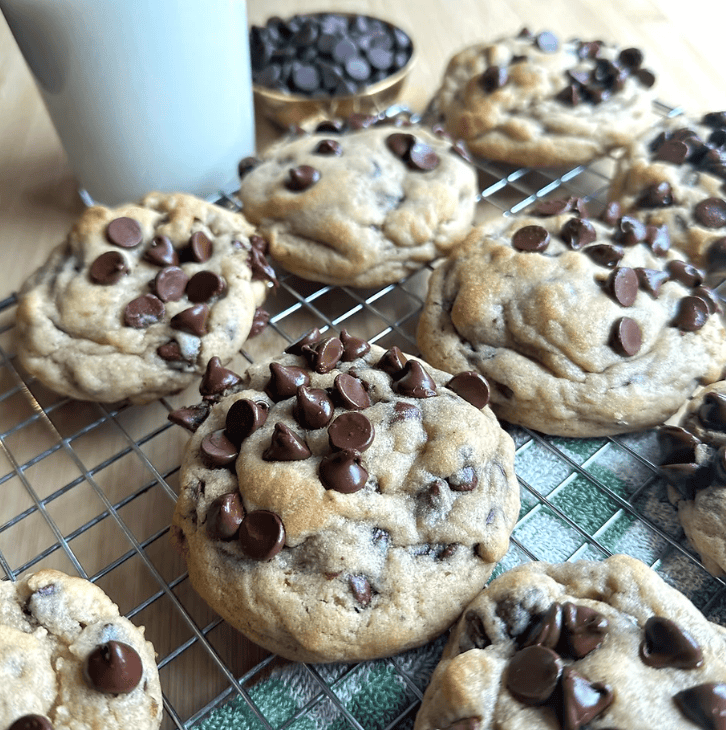
Recipes like Copycat Levain Bakery Chocolate Chip Cookies are a perfect example. They are thick, rich, and meant to feel a little extra. They are not trying to be flat and crisp. They are aiming for that soft, indulgent center.
On the other hand, if you like a more classic cookie with crispier edges and a slightly flatter shape, something like No Chill Chocolate Chip Cookies may be more your style.
Mix-Ins Can Change Texture Too
This is something people do not always think about, but mix-ins can absolutely affect the texture of a cookie.
A cookie loaded with chocolate chunks, marshmallows, Oreo pieces, or cheesecake filling is naturally going to bake differently than a more standard dough.
For example:
Triple Chocolate Chip Cookies
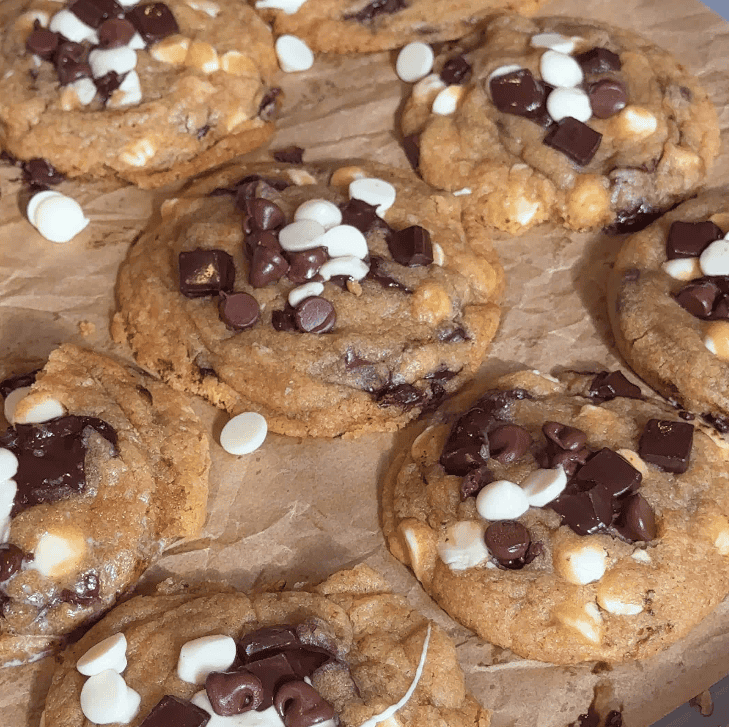
More chocolate usually means a richer, softer cookie experience because the melted chocolate adds extra gooeyness throughout.
Smores Stuffed Chocolate Chip Cookies

Stuffed cookies tend to stay thicker and softer because of the extra filling inside.
Cheesecake Stuffed Chocolate Chip Cookies

Creamy filling changes the texture even more and makes the cookie feel extra soft and decadent.
Brown Butter Banana Chocolate Chip Cookies

Banana adds moisture, which naturally pushes the cookie toward a softer texture.
So if one cookie feels much chewier or softer than another, it may not just be the dough. It could also be what is mixed in.
How to Get Chewy Chocolate Chip Cookies Every Time
If chewy is your goal, focus on these details:
Use more brown sugar than white sugar
Do not overmeasure the flour
Chill the dough if the recipe calls for it
Bake just until the edges are set
Let the cookies finish setting on the tray
Use taller scoops of dough instead of flattening them
These little things make a big difference.
How to Get Crispy Chocolate Chip Cookies Every Time
If you prefer a crispier cookie, here is what usually helps:
Use a recipe with more white sugar
Flatten the dough a little before baking
Bake a bit longer until more golden
Use smaller dough scoops
Skip chilling if the recipe is designed for that
Let the cookies cool completely so they crisp up fully
Crispy cookies are really all about encouraging spread and baking off more moisture.
Chocolate Chip Cookie Recipes to Match Your Mood
If you want to test the difference for yourself, these are such good recipes to bake side by side:
1. Brown Butter Chocolate Chip Cookies
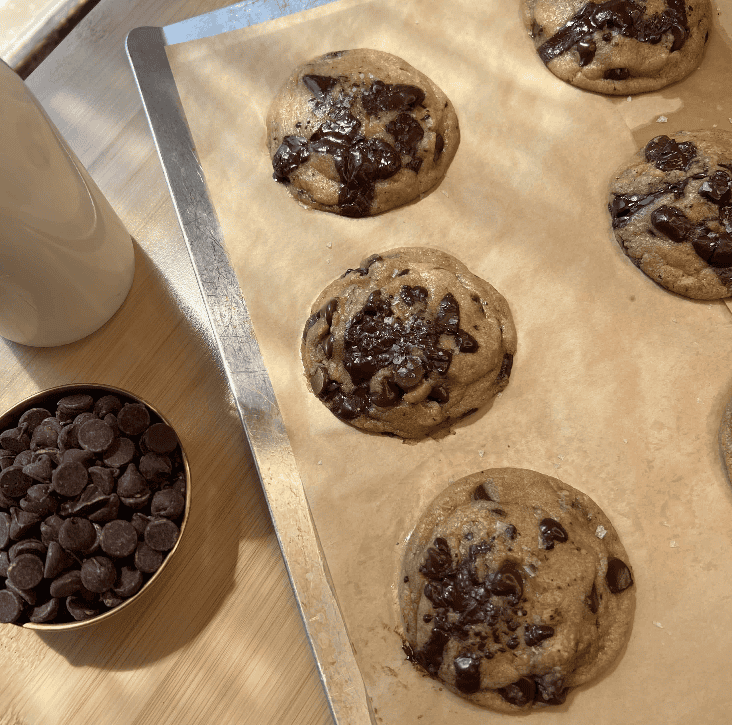
Rich, cozy, and full of deep brown butter flavor.
2. No Chill Chocolate Chip Cookies
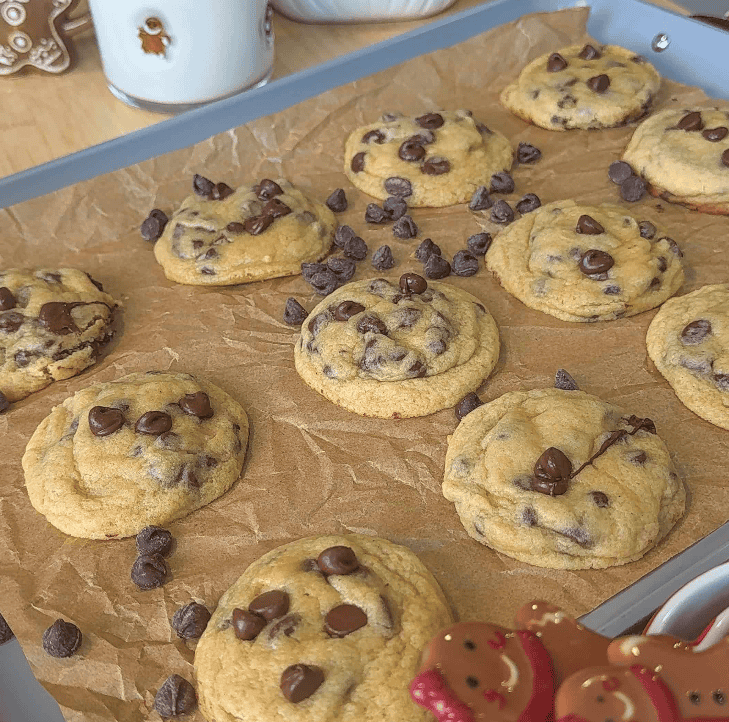
Great when you want cookies now and do not want to wait on dough chill time.
3. Copycat Levain Bakery Chocolate Chip Cookies
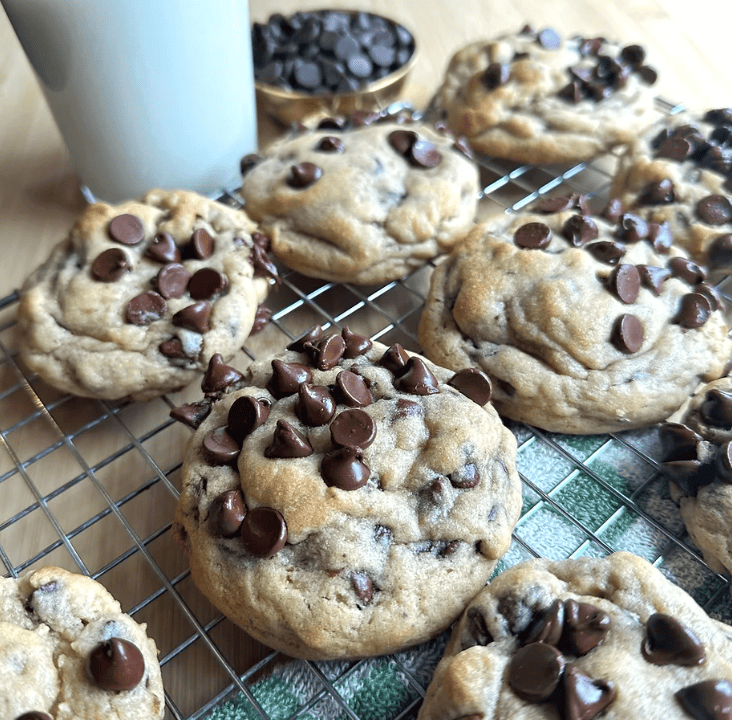
Perfect if you love thick, chewy, oversized bakery cookies.
4. Triple Chocolate Chip Cookies
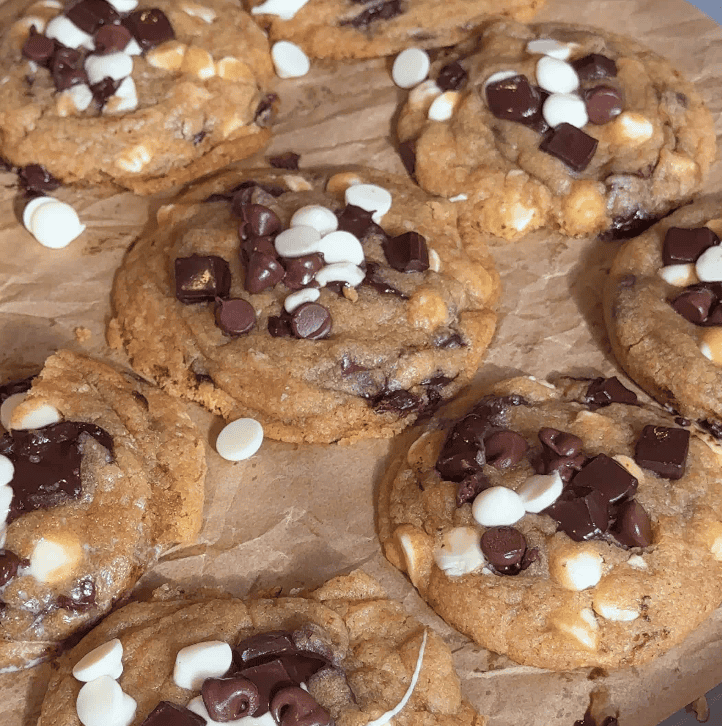
Ideal for chocolate lovers who want a richer, softer cookie.
5. Smores Stuffed Chocolate Chip Cookies
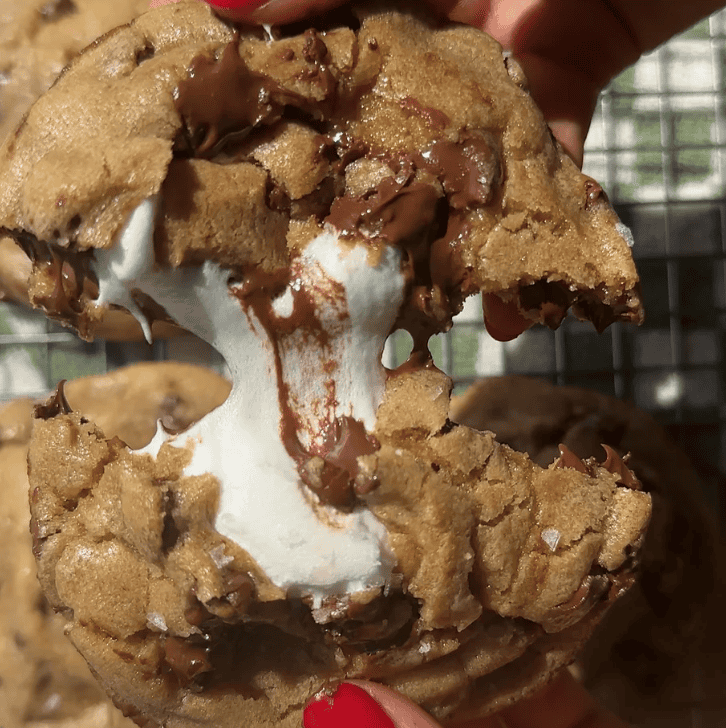
A fun, gooey twist that leans soft and decadent.
6. Cheesecake Stuffed Chocolate Chip Cookies

Creamy, rich, and definitely on the extra-indulgent side.
7. Brown Butter Banana Chocolate Chip Cookies
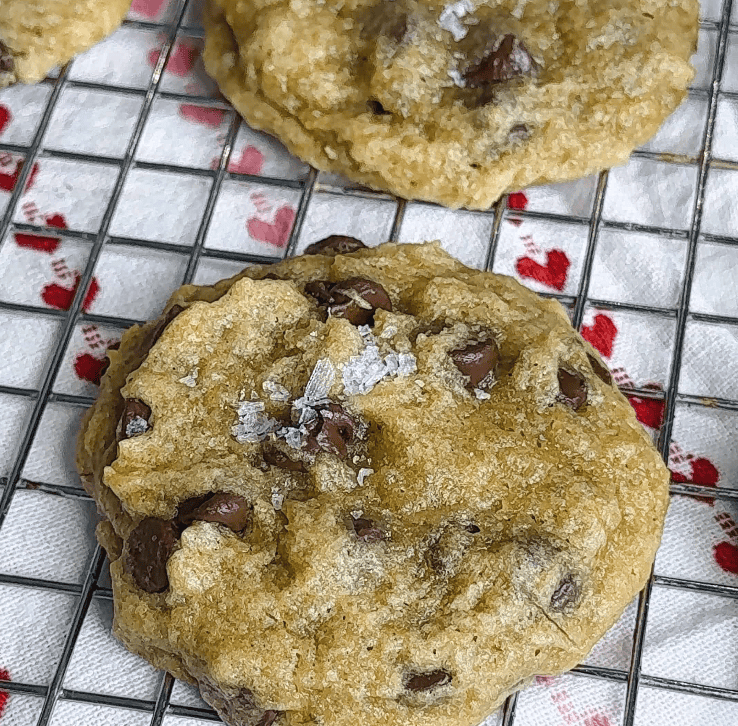
Soft, flavorful, and a little different in the best way.
Final Thoughts
Chewy versus crispy chocolate chip cookies really comes down to moisture, sugar ratio, dough thickness, and bake time.
That is why two cookie recipes can look similar on paper but bake up completely differently. One may spread thin and crisp, while another stays thick and soft in the center.
Neither one is better. It really just depends on what kind of cookie moment you want.
Once you understand what actually changes cookie texture, it gets so much easier to choose the right recipe and get the result you are craving.
And honestly, whether you are in a chewy cookie mood or a crispy cookie mood, there is no bad outcome when chocolate chips are involved.




Leave a Reply