


If there’s one ingredient that consistently makes bakers stop mid-whisk and say, “Oh… this is going to be good,” it’s brown butter. Known as beurre noisette in French (literally “hazelnut butter”), brown butter takes the familiar richness of regular butter and transforms it into something deeper, nuttier, and undeniably more magical. One simple step, melting butter past the point of golden foam until the milk solids toast, creates a flavor booster that instantly elevates cookies, cakes, breads, sauces, pastries, and even savory dishes.
If you’ve ever tasted a cookie and thought, “What is that flavor I can’t quite name?”, chances are, brown butter was the secret. And once you understand how it works, and how to use it strategically, your baking will never be the same.
This guide breaks down everything you need to know: what brown butter is, why it’s scientifically superior, how to use it in recipes, and the absolute best baked goods to try if you’re ready to experience its caramelized magic. Whether you’re a brand-new baker or someone who wants to add depth to classic recipes, consider this your full spotlight on the star ingredient that makes everything taste better.
What Exactly Is Brown Butter?
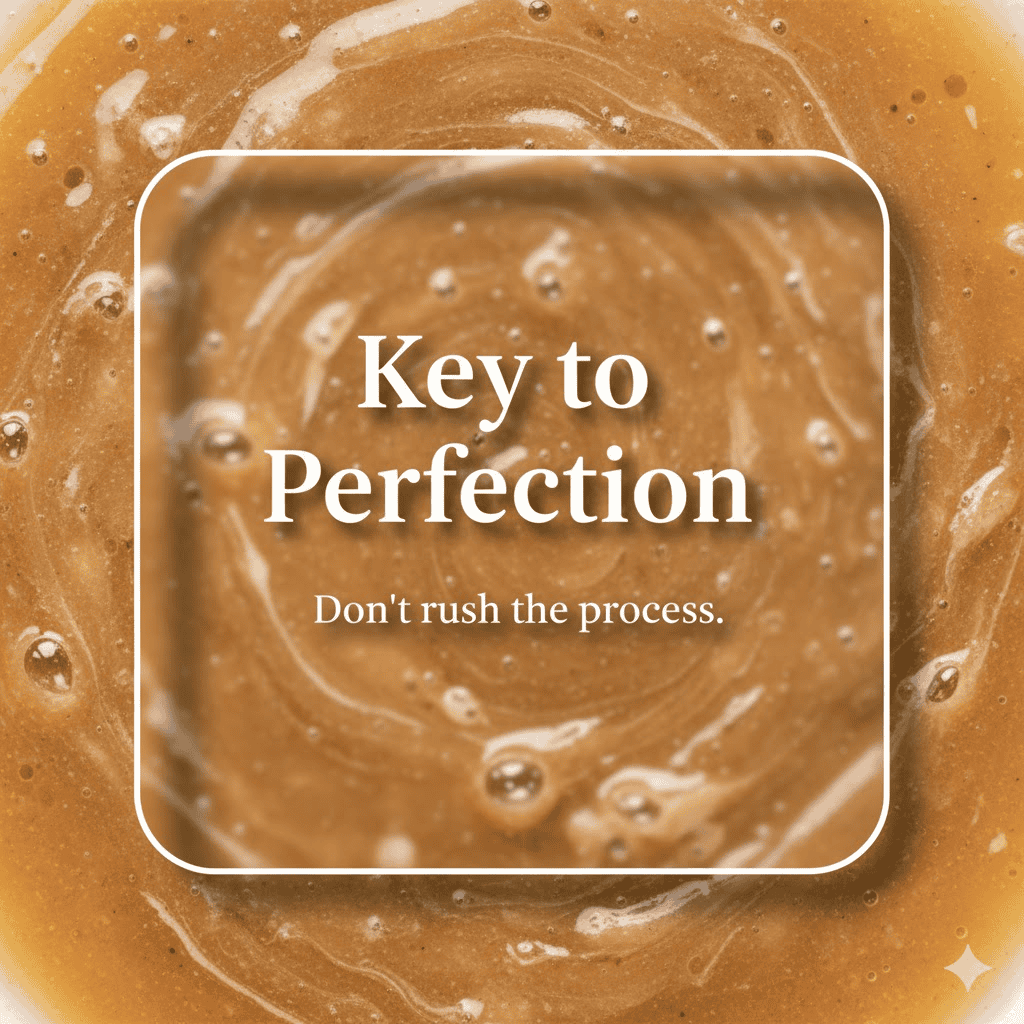
Brown butter is what happens when you simmer regular butter until the milk solids separate, sink, and begin to toast at the bottom of the pan. As they brown, they release aromas and flavors similar to caramel, toasted nuts, and warm toffee. The butter deepens in color, from sunny yellow to amber gold, and its flavor becomes layered, complex, and far more intense than before.
The 3 Stages of Browning Butter
- Melting
The butter becomes liquid, then starts to foam as the water content evaporates. - Sizzling
The milk solids separate and drift downward, creating tiny brown specks. The edges smell like warm shortbread. - Browning
The milk solids toast, turning brown and fragrant with notes of hazelnut, caramel, and butterscotch.
At this point, you’ve created arguably the best baking ingredient on earth.
Why Brown Butter Makes Everything Taste Better (The Science)
Brown butter isn’t just a flavor trend, it’s a chemical transformation.
1. The Maillard Reaction = Flavor Explosion
When the milk proteins in butter toast, they undergo the Maillard reaction, the same browning effect that makes roasted coffee, seared steak, and caramel so aromatic. This creates dozens of flavor compounds, giving brown butter its signature richness.
2. Aromatics Multiply
Regular butter is mild. Brown butter contains:
- nutty aromas
- caramel notes
- toasted sweetness
- warm, buttery depth
These scents are naturally appealing, which is why baked goods with brown butter smell more complex, even before they’re tasted.
3. Greater Depth Without Extra Ingredients
Instead of adding spices, extracts, or sweeteners, brown butter alone creates a multi-dimensional flavor. It adds complexity without clutter.
4. Better Pairing With Brown Sugar + Chocolate
Brown butter complements the deeper flavors of:
- brown sugar
- chocolate (especially dark)
- cinnamon
- espresso
- molasses
- vanilla
This is why brown butter chocolate chip cookies taste dramatically better than the classic version.
5. It Enhances Texture, Too
Brown butter:
- leads to chewier centers in cookies
- improves crumb tenderness in cakes
- emulsifies beautifully in frostings
- creates flaky layers in pastries
Add flavor + better texture = winning combination.
How to Make Perfect Brown Butter (Step-by-Step)
You only need unsalted butter and a few minutes.
Instructions
- Add butter to a light-colored pan (you need to see the browning).
- Melt over medium heat.
- Let it foam and bubble, stir occasionally.
- Watch for the butter to turn golden with brown speckles at the bottom.
- Remove from heat when the aroma is nutty and caramel-like.
- Pour into a heatproof bowl immediately to stop the cooking.
Pro Tips
- Use unsalted butter to control flavor.
- Watch closely, the difference between browned and burned is 20–30 seconds.
- Scrape all the toasted brown bits (that’s where the flavor lives).
- Let it cool before incorporating into doughs that require creaming.
How to Use Brown Butter in Baking
This single ingredient can upgrade almost every recipe you love. Here’s how to use it effectively:
1. In Cookies
Brown butter shines brightest in cookies, especially those centered around vanilla, brown sugar, or chocolate.
It creates:
- crisp edges
- chewy centers
- deeper caramel flavor
In recipes like brown butter chocolate chip cookies, the nuttiness complements chocolate in a way regular butter can’t.
2. In Quick Breads & Muffins
Banana bread, pumpkin bread, blueberry muffins, and coffee cake become richer and more aromatic with brown butter. It adds warmth and richness without overpowering the main flavor.
3. In Frostings
Brown butter frosting tastes like caramel frosting, without caramel. Whipped brown butter buttercream on cinnamon rolls or pumpkin cupcakes is incredible.
4. In Bars & Brownies
From blondies to cookie bars, brown butter enhances chewiness and brings much stronger flavor depth.
5. In Simple Cakes
Pound cake, vanilla snack cakes, and spice cakes all benefit. It makes simple flavors unforgettable.
6. In Pies and Crumbles
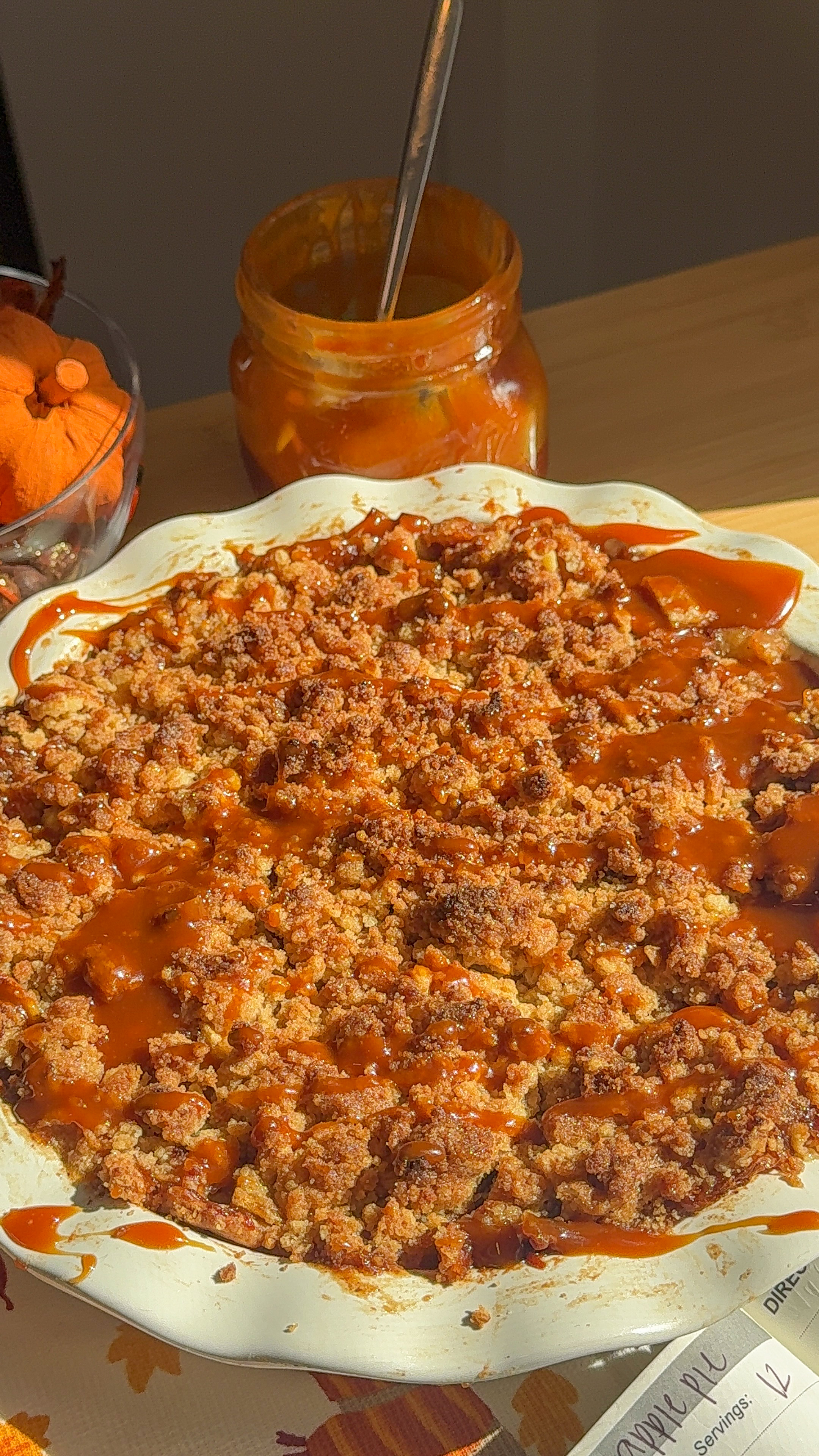
The brown butter melts into the fruit and crumb topping, adding richness to every bite.
When Not to Use Brown Butter
Brown butter isn’t ideal for:
- recipes requiring aeration through creaming (unless cooled)
- laminated doughs like croissants (it melts too quickly)
- cakes needing a fluffy rise, unless adjusted
For most home baking, though? Brown butter is almost always a win.
How Much Brown Butter to Use
Brown butter loses moisture during cooking, so amounts should be adjusted.
General rule:
For every ½ cup (1 stick) of butter, you’ll end up with about 7 tablespoons of brown butter.
To fix this:
- Add 1–2 teaspoons of milk or water back into the recipe.
Or - Increase wet ingredients slightly (like adding an extra tablespoon of egg).
Flavors That Pair Perfectly with Brown Butter
Brown butter enhances or complements the following like magic:
Sweet Pairings
- chocolate
- brown sugar
- vanilla
- pecans + walnuts
- bananas
- pumpkin
- maple
- cinnamon
- caramel
- lemon
- espresso
Savory Pairings
- sage
- pasta
- mushrooms
- sweet potatoes
- butternut squash
But in baking, the star pairings are always:
brown butter + chocolate
and
brown butter + vanilla
Recipes That Highlight Brown Butter
Here are some top-performing, reader-loved desserts that show off brown butter’s full potential. These recipes either use or can easily incorporate brown butter to upgrade flavor.
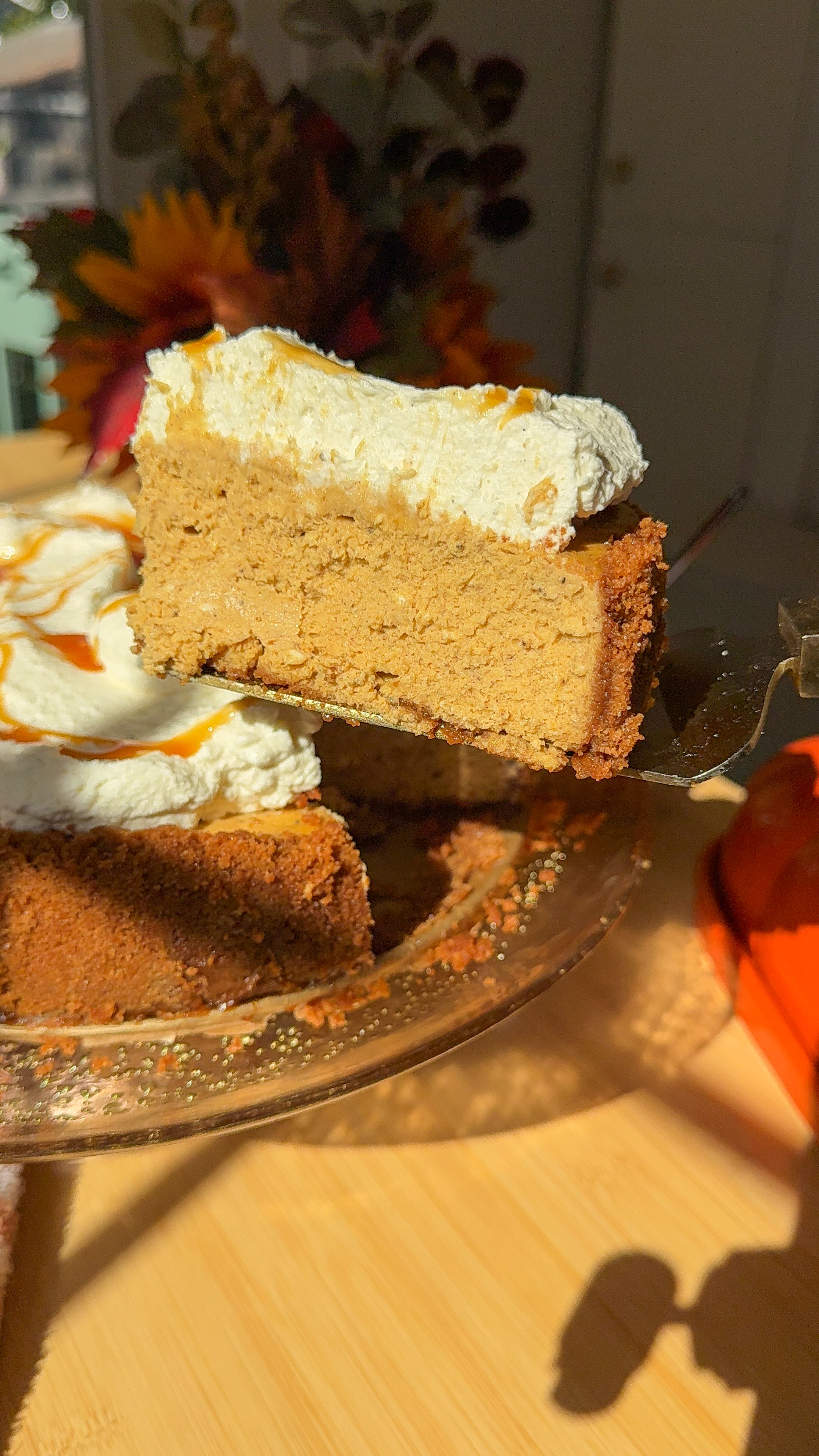
- The Best Brown Butter Chocolate Chip Banana Bread
- The Absolute Best Brown Butter Chocolate Chip Cookies
- Next-Level Brown Butter Smores Brownies with Homemade Marshmallow Frosting
How to Substitute Brown Butter in Any Recipe
You can turn almost any butter-based recipe into a brown butter recipe using this method:
- Brown the butter.
- Let it cool fully.
- Add back 1–2 teaspoons milk/water per stick lost during evaporation.
- Use it as directed in place of regular butter.
For creamed doughs (cookies, cakes): Cool until soft but not liquid. It should look like room-temp butter.
For melted-butter recipes (brownies, blondies, muffins): Use immediately after cooling slightly.
Why Brown Butter Works Especially Well in Holiday Baking
Holiday flavors tend to be:
- warm
- spiced
- rich
- nostalgic
Brown butter amplifies all of these.
It pairs beautifully with:
- cinnamon + nutmeg
- gingerbread spices
- molasses
- peppermint
- citrus
- chocolate
It creates a bakery-style flavor that feels cozy, festive, and special, without extra effort.
Cookies made with brown butter taste like something from a gourmet shop. Simple breads taste luxurious. Frostings get that “what is that flavor?” reaction.
If you want maximal flavor with minimal work during the busy holiday season, brown butter is your holiday baking secret weapon.
Troubleshooting: Common Brown Butter Mistakes
1. Burning Instead of Browning
If it smells acrid instead of nutty, it’s overcooked.
Fix: Use medium heat, not high.
2. Too Much Evaporation
Add a teaspoon of milk to restore lost moisture.
3. Butter Seizes When Mixing Into Batter
Let it cool before adding it to sugar or eggs.
4. Browning Unevenly
Stir often to keep the milk solids moving.
How Brown Butter Elevates Your Baking Brand
If you’re a food creator, blogger, or recipe developer, brown butter is a strategic ingredient.
Why?
Because:
- your recipes stand out
- readers perceive them as more “gourmet”
- flavor is noticeably enhanced
- the visuals (golden flecks!) are stunning
- it photographs beautifully
- it aligns with current search queries like brown butter recipes, brown butter cookies, brown butter desserts
When you add brown butter to a recipe, it becomes instantly more shareable and memorable, two key ingredients for engagement.
Final Thoughts: Brown Butter Truly Is Magic
Brown butter isn’t just melted butter, it’s a transformation. A simple pan, a few minutes, and a gentle toast turn ordinary butter into a powerhouse ingredient that deepens flavor, boosts aroma, and elevates every bake it touches.
Once you start using it, you’ll notice:
- your cookies taste richer
- your breads become more aromatic
- your frostings gain complexity
- your desserts have that “bakery flavor” people can’t articulate but instantly love
It’s luxurious without being fussy, sophisticated without being complicated. And best of all, it’s completely accessible, even to brand-new bakers.
So next time you pull out a stick of butter, ask yourself:
Should I brown it first?
In most cases, the answer is absolutely yes.




Leave a Reply